Industries
Fire Stations and Municipal Buildings
Diesel particulate, living quarters and round-the-clock occupancy — municipal work has constraints ordinary commercial jobs do not.
3 min read · Reviewed by Gabriel M.
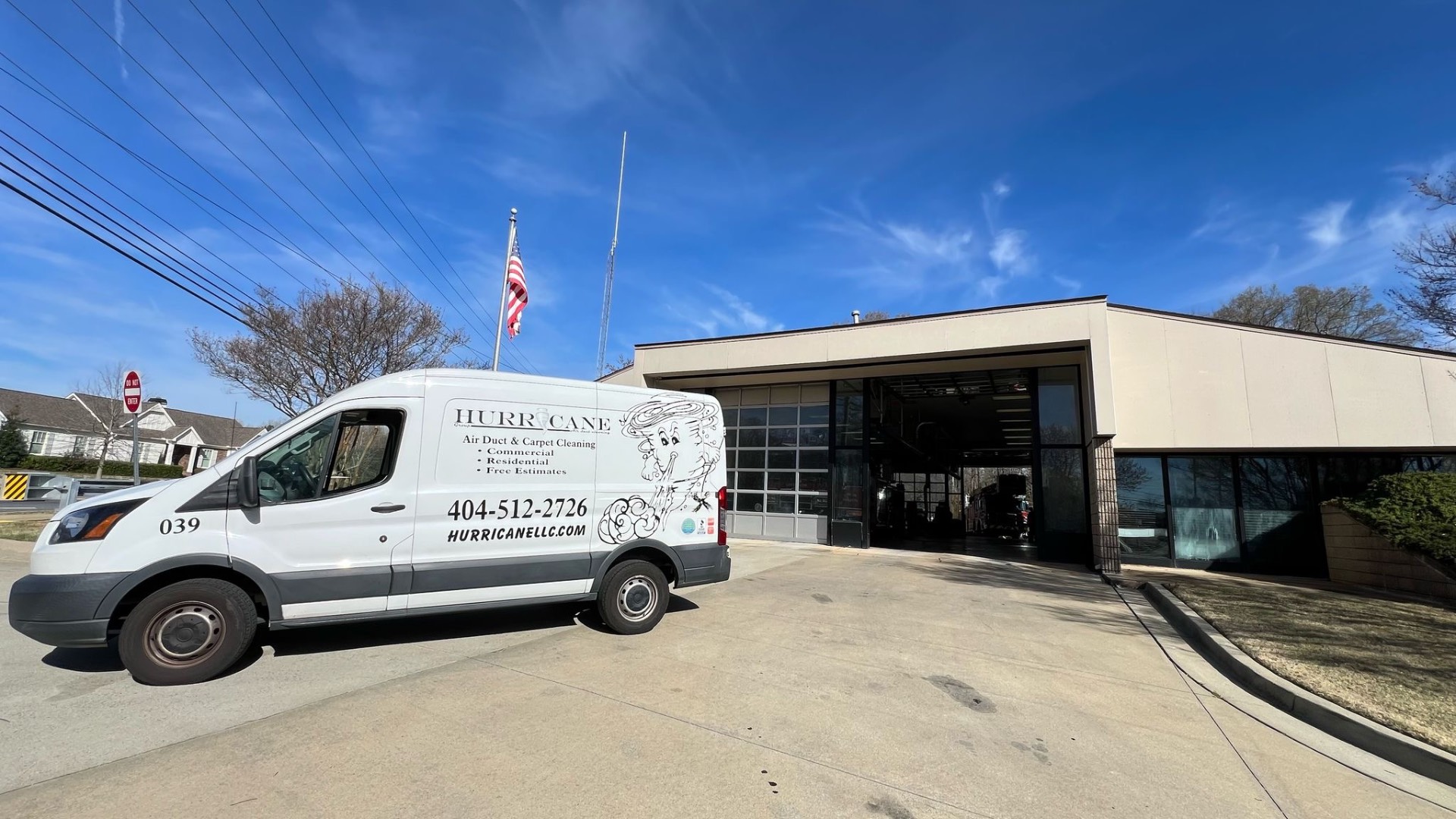
Fire station exterior — Hurricane Group van on-site at a Metro Atlanta fire-rescue facility for scheduled air duct service
The apparatus bay problem
Diesel exhaust particulate is fine and persistent, and it migrates from bays into living quarters through doors, shared returns and pressure differentials. Cleaning the living-quarter system without addressing that migration path treats the symptom.
Working in a building nobody leaves
Crews are on duty around the clock and must be able to respond instantly. Work is staged so bay access is never blocked, equipment can be moved out of the way in seconds, and quarters remain usable. We run this pattern regularly at Metro Atlanta fire-rescue facilities, including overnight service alongside in-service apparatus.
Public-sector documentation
Municipal work is procured and audited. Scope, certifications, insurance and per-unit photographic records are provided in a format that fits public record-keeping.
Common questions
- Can equipment be moved for a call?
- Yes — staging is planned so the bay clears immediately if a call comes in.
- Do you handle multi-station contracts?
- Yes, phased station by station with consolidated reporting.
- Does the living-quarter system need different treatment?
- It needs the same method but a tighter focus on the bay-to-quarters migration path.
Keep reading
Talk to a commercial crew, not a call center
Commercial Air Care services commercial facilities across Metro Atlanta with IICRC-certified crews and per-unit photo documentation on every job.