
Fire Safety
Commercial Dryer Vent Cleaning and Fire Risk
Lint is fuel, dryers are a heat source, and long commercial runs hold a lot of both.
3 min read · Reviewed by Gabriel M.
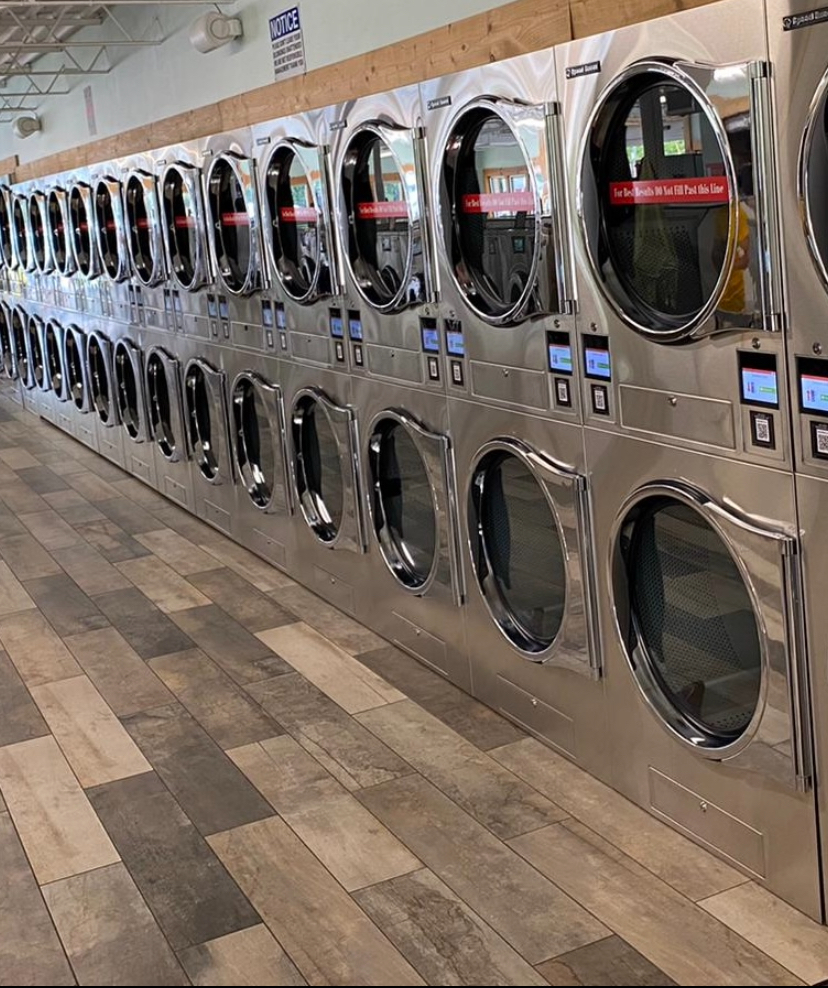
Commercial laundromat — stacked dryer line vent cleaning
Why commercial runs are worse than residential
Commercial vent runs are longer, contain more elbows, often share stacks between machines, and serve dryers that run most of the day. Every one of those factors increases deposition and reduces the airflow that would otherwise carry lint out.
Signs the run is restricted
Longer drying cycles, hot laundry rooms, machines tripping thermal limits, lint visible at the exterior termination, and a burnt smell during operation. Staff usually report the symptom as 'the dryers are getting old'.
What a proper cleaning covers
The full run from the machine transition to the exterior termination, the booster fan if fitted, the termination hood and damper, and the lint trap housing. Crushed transition hose, screened terminations and improper materials are documented for correction.
Records your insurer will ask for
Date, runs serviced, condition found, material removed and the post-service airflow observation. For multi-family and hospitality properties this record is regularly requested at renewal.
Common questions
- How often should commercial dryer vents be cleaned?
- Annually as a floor, and quarterly to semi-annually for laundries running continuously.
- Can we just clean the lint trap?
- The trap catches a fraction. The accumulation that matters is in the duct run.
- Do you service shared stacks?
- Yes, including multi-machine and multi-story stacks in hospitality and multi-family properties.
Keep reading
Talk to a commercial crew, not a call center
Commercial Air Care services commercial facilities across Metro Atlanta with IICRC-certified crews and per-unit photo documentation on every job.